- Why a Home Inspection Matters More Than You Think
- The Inspection Contingency and Your Timeline
- How to Choose the Right Bloomington Inspector
- What to Do Before the Inspection
- Attending the Inspection: Why You Should Be There
- Understanding Your Inspection Report
- Prioritizing Findings: Safety Versus Cosmetic
- Negotiating Repairs, Credits, or Price
- When to Walk Away
- Add-On Tests Worth Considering
- Radon: A Hennepin County Priority
- Inspection Versus Appraisal: Know the Difference
- Buying an Older Bloomington Home: What to Watch
- Advice for New Construction Buyers
- First-Time Buyer Mistakes to Avoid
- Closing With Confidence
Why a Home Inspection Matters More Than You Think
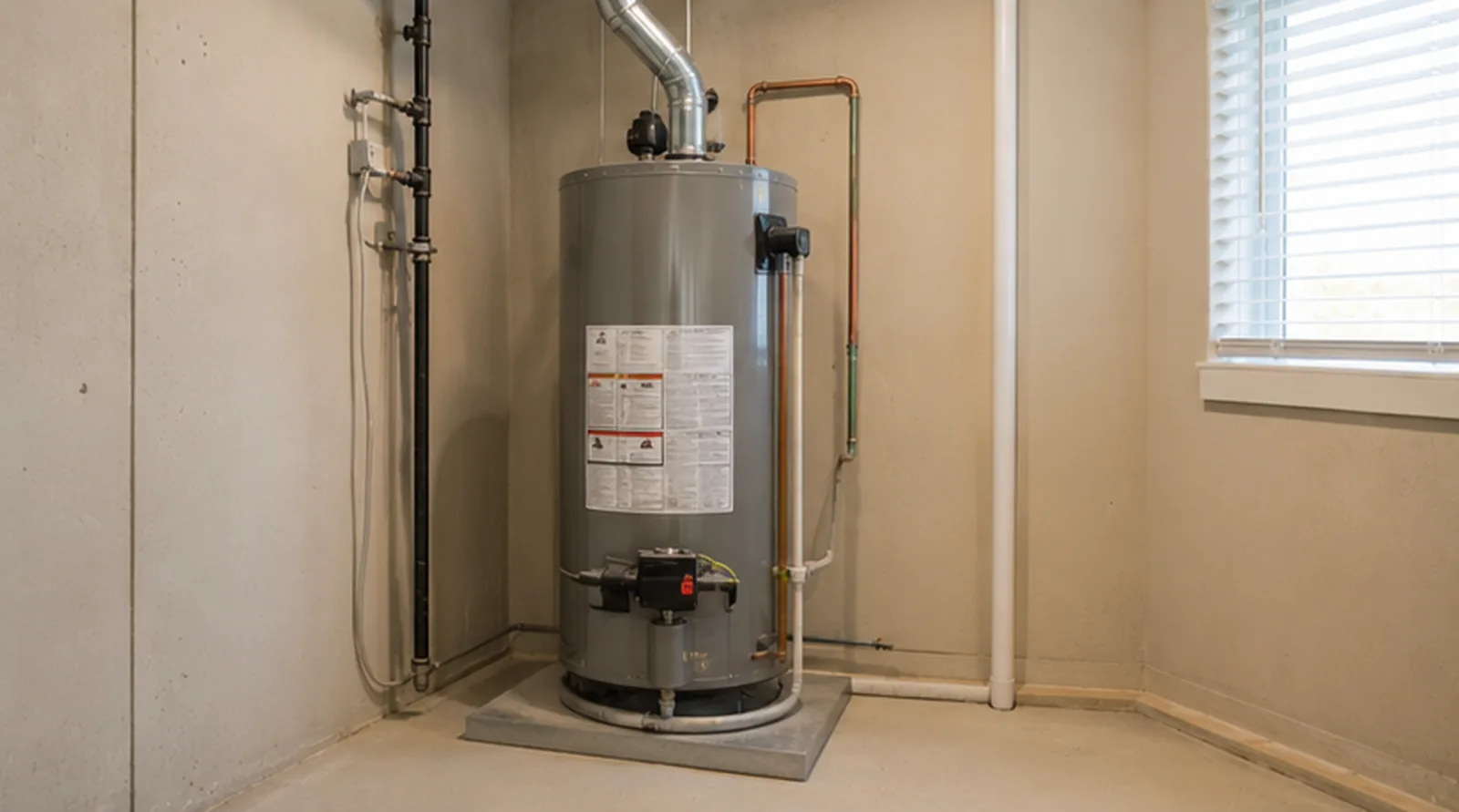
When you tour a Bloomington home with an agent, you see staging, fresh paint, and curb appeal. What you do not see is the condition of the furnace heat exchanger, the age of the water heater, the wiring hidden behind drywall, or the slow leak quietly rotting a rim joist. A professional home inspection is the one step in the buying process designed entirely to surface those hidden conditions so you can make an informed choice rather than an emotional one.
An inspection protects you in two ways. First, it gives you knowledge: a clear, documented picture of the home's major systems and their remaining service life. Second, it preserves your leverage. As long as you are inside your inspection contingency period, the findings give you a contractual basis to ask for repairs, request a credit, or cancel the contract without losing your earnest money. That combination of information and leverage is exactly why skipping the inspection to win a competitive offer is one of the riskiest moves a buyer can make.
It helps to think of the inspection as risk management rather than fault finding. No house is perfect, and a good report on a forty or fifty year old Bloomington home will always list dozens of items. The goal is not a flawless house; it is understanding which issues are minor and routine versus which ones are expensive, urgent, or safety related. That understanding lets you budget realistically and avoid nasty surprises in your first year of ownership.
The Inspection Contingency and Your Timeline
Most Minnesota purchase agreements include an inspection contingency, a clause that gives you a defined number of days to inspect the property and respond. Once your offer is accepted, the clock starts immediately, so the smartest buyers line up an inspector before they even have a signed contract. In a typical Bloomington transaction you may have only a week to ten days to schedule the inspection, attend it, read the report, and decide how to respond, which is not much time when popular inspectors book out several days in advance.
Read your contingency language carefully with your agent. Some contracts require you to deliver a written objection or repair request by a specific date and time, and missing that deadline can mean the contingency expires and you lose your right to renegotiate or cancel based on inspection findings. Calendar every deadline the moment the contract is signed, and build in buffer days for getting contractor quotes if the inspection turns up something that needs a specialist's opinion.
The timeline also affects which add-on tests you can run. Radon testing, for example, requires a continuous monitor or test kit to sit undisturbed for at least forty eight hours, so it has to start early in your window. Sewer scopes and specialized evaluations may require separate appointments. Plan the sequence backward from your objection deadline so every result is in hand before you have to make a decision.
How to Choose the Right Bloomington Inspector
Not all inspectors bring the same depth of experience, and the person you choose will shape how much you actually learn about the home. Look for an inspector who works full time in the Twin Cities metro and inspects homes like yours regularly. A pro who sees Bloomington's mid-century ramblers, split levels, and story-and-a-halfs week after week recognizes the recurring issues in this housing stock far faster than someone who rarely works the area.
Ask practical questions before you hire. How long is a typical inspection, and do they encourage you to attend? Do they provide a written report with photos, and how quickly? Will they walk the roof when conditions allow, enter the attic and crawl spaces, and operate the major systems? Do they offer ancillary services like radon testing and sewer scopes, or coordinate them? An inspector who rushes through in an hour and emails a checklist is giving you far less than one who spends several hours and explains findings in person.
Be cautious about choosing solely on price or on a referral from someone with a stake in the deal closing quickly. The inspector works for you, and their value is measured in the problems they catch and clearly explain, not in how fast they finish. A thorough inspector who finds a cracked heat exchanger or an active leak has more than earned their fee by sparing you a far larger expense or a dangerous condition later.
What to Do Before the Inspection
Preparation starts the moment your offer is accepted. Confirm the inspection date with your agent and the listing side, make sure the utilities are on so the inspector can test the furnace, water heater, and appliances, and arrange access to every area including the attic, mechanical room, and any locked spaces. An inspection where the gas is off or the electrical panel is blocked leaves gaps in the report that you will have to chase down later under time pressure.
Gather any documents the seller has provided, such as disclosures, permit records, and receipts for recent work like a new roof, furnace, or electrical upgrade. Minnesota sellers complete disclosure statements, and reviewing them ahead of time helps you and your inspector focus on areas of concern. If the disclosure mentions past water in the basement or a roof repair, flag those for extra attention during the walkthrough.
Make your own list of questions and concerns from your showings. Maybe you noticed a sloping floor, a musty smell in the lower level, or stained ceiling tiles. Bring that list to the inspection. A good inspector will gladly investigate the specific things that worried you, and having your concerns written down ensures nothing gets forgotten in the busy few hours on site.
Attending the Inspection: Why You Should Be There
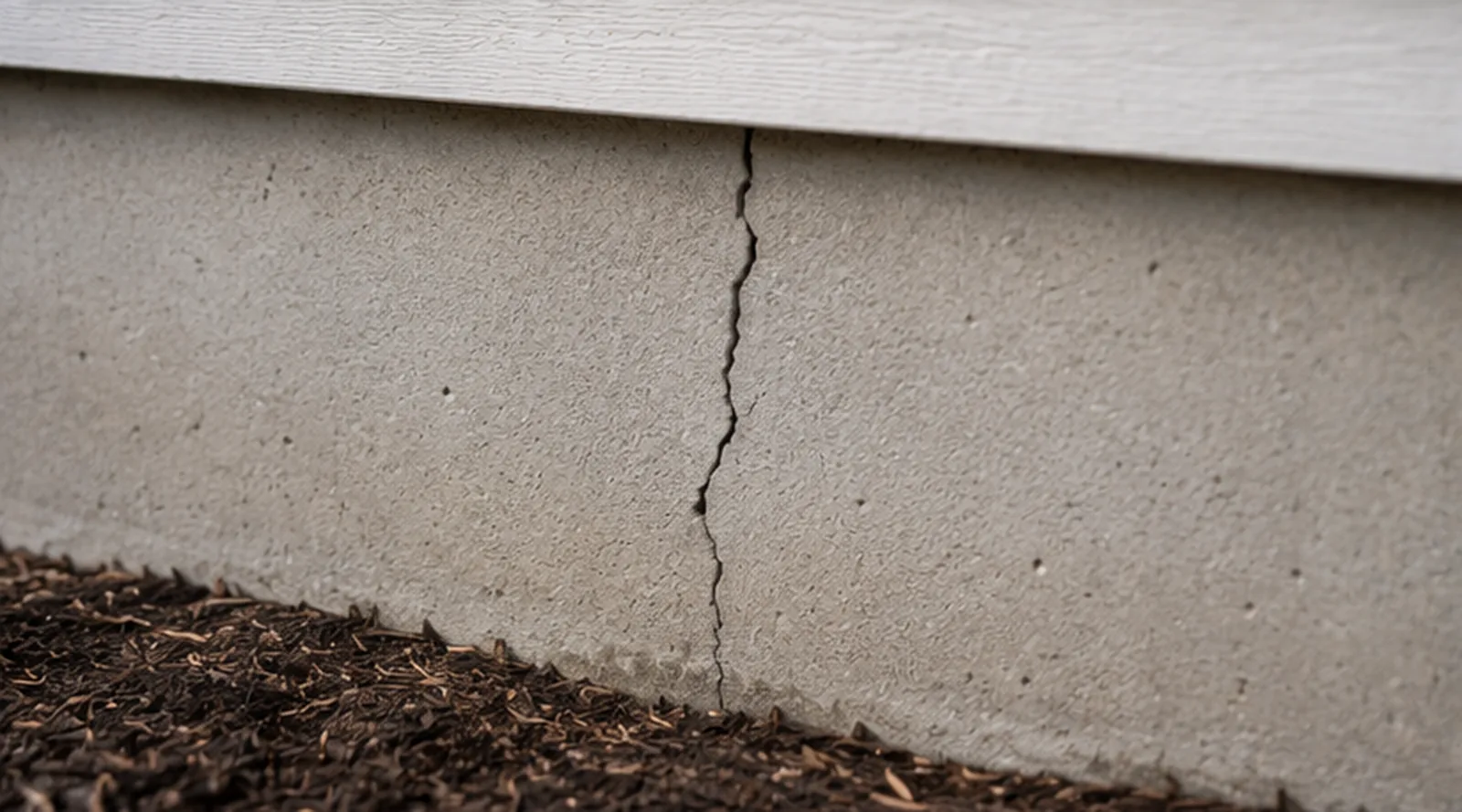
You are not required to attend your inspection, but doing so is one of the most valuable hours you will spend as a buyer. Walking the home alongside your inspector turns a static report into a living education. You see the conditions firsthand, you learn where the main water shutoff and electrical panel are, and you understand the difference between a note that says minor settlement crack and one that signals a structural concern, because the inspector can point and explain on the spot.
Plan to be present for at least the final portion if you cannot attend the whole thing. Many inspectors prefer to work the property thoroughly first and then walk you through the key findings near the end, summarizing what is routine maintenance, what should be monitored, and what deserves serious attention. This is your chance to ask follow up questions while you are standing in front of the actual furnace, roof edge, or foundation wall in question.
Bring a notebook or your phone to capture notes and take your own photos. Ask the inspector to show you how to operate and maintain the home's systems: how to change the furnace filter, where the radon mitigation fan is if one exists, how the sump pump works. The relationships and knowledge you build during this walkthrough pay dividends long after closing, especially in an older Bloomington home with systems you will need to maintain yourself.
Understanding Your Inspection Report
After the inspection you will receive a written report, usually a digital document with photos, descriptions, and recommendations organized by system. A well written report does more than list defects; it documents the condition of each major component, notes the approximate age and remaining life where possible, and flags items that need repair, further evaluation, or monitoring. Take time to read the whole thing, not just the summary, because important context often lives in the body of the report.
Reports typically use categories or severity levels to help you sort findings. You will see safety concerns, major defects, items needing further evaluation by a specialist, and routine maintenance recommendations. Pay close attention to anything labeled as a safety issue or as requiring evaluation by a licensed electrician, plumber, or structural professional, because those are the items most likely to carry real cost or risk.
Remember that an inspection is a visual, non invasive assessment of accessible areas on the day of the inspection. Inspectors do not open walls, move heavy storage, or predict the future. If the report recommends further evaluation of something like a suspect electrical panel or a possible foundation movement, treat that as a prompt to bring in the right specialist before your contingency expires rather than as an alarmist overreach.
Prioritizing Findings: Safety Versus Cosmetic
The single most useful skill in reading an inspection report is separating what matters from what does not. Every home generates a long list, and a missing outlet cover or a dripping faucet sits on the same page as a double tapped breaker or a corroded gas line. Your job, with your inspector's help, is to triage: safety and major system issues at the top, deferred maintenance in the middle, and cosmetic items at the bottom.
Safety items deserve immediate attention regardless of cost. These include things like improper wiring, missing ground fault protection near water, gas leaks, non functioning smoke detectors, blocked flue venting that could allow carbon monoxide into the home, and trip hazards on stairs. Major system items, such as an aging furnace, a roof near the end of its life, or compromised plumbing, are the big budget concerns that should shape your negotiation and your reserve fund.
Cosmetic and minor maintenance items, by contrast, are usually not worth jeopardizing a deal over. Chipped paint, a sticking door, worn caulk, or a few cracked tiles are the normal wear of a lived in home and are easy and inexpensive to address over time. Lumping these in with serious findings during negotiation can frustrate sellers and weaken your position on the issues that truly matter. Focus your leverage where it counts.
Negotiating Repairs, Credits, or Price
Once you understand your report, you and your agent decide how to respond within the contingency window. You generally have a few levers: ask the seller to make specific repairs before closing, request a credit toward your closing costs so you can handle the repairs yourself, ask for a price reduction, or accept the home as is. Each approach has trade offs, and the right one depends on the findings, the market, and your own comfort with managing repairs.
Many experienced buyers prefer credits or price reductions over seller repairs for significant items. When the seller hires the work out at the last minute, they have every incentive to choose the cheapest fix, and you have little control over quality or who performs it. Taking a credit lets you select your own qualified contractor and confirm the work is done right after you own the home. For safety items or anything affecting your ability to get insurance or financing, however, having the seller complete repairs before closing may be the cleaner path.
Approach negotiation strategically rather than emotionally. Lead with the safety and major system findings, support your requests with the inspector's documentation and, where helpful, a contractor's written estimate, and let the small stuff go. Sellers respond far better to a focused, well documented request about a failing furnace than to a sprawling list that includes every loose doorknob. A reasonable, evidence backed ask is more likely to keep the deal together on terms that protect you.
When to Walk Away
Sometimes the right decision after an inspection is to cancel the contract, and the contingency exists precisely to give you that option without losing your earnest money. Walking away is rarely about the length of the findings list and almost always about a few specific dealbreakers: problems whose cost or uncertainty exceeds what you are willing to take on, or a seller unwilling to address serious safety or structural concerns.
Certain findings warrant especially careful thought before you proceed. Evidence of significant foundation movement, a history of chronic water intrusion in the lower level, widespread suspect wiring such as aluminum branch circuits or a hazardous electrical panel, a failing sewer line revealed by a scope, or signs of long term moisture and microbial growth can each represent open ended risk. If further evaluation by a specialist confirms a major problem and the numbers no longer work, there is no shame in moving on.
The key is to make the decision while your contingency is still active and while you have real information in hand. Use specialist evaluations to replace fear with facts. A scary sounding note in a report sometimes turns out to be a modest, well understood repair once an expert looks closely, and other times it confirms that this particular Bloomington home is not the right one for you. Either outcome is a win, because you decided with your eyes open.
Free Instant Quote
Know your inspection cost in less than 30 seconds. No obligation.
Add-On Tests Worth Considering
A standard inspection covers the visible, accessible systems of the home, but several add on services address risks that a visual inspection cannot. In the Bloomington area the most commonly recommended is radon testing, followed by a sewer scope on older homes, and, depending on conditions, mold or moisture assessment and thermal imaging. These targeted tests cost extra but can reveal hidden, high impact issues that would otherwise stay invisible until after you own the home.
A sewer scope sends a camera down the main sewer line to the street or septic connection, revealing cracks, root intrusion, bellied sections, and old clay or cast iron pipe nearing failure. For mid-century Bloomington homes with mature trees and original sewer laterals, a scope is one of the highest value add ons available, because a failed line is buried, expensive, and almost never visible from inside the house. Thermal imaging, meanwhile, uses an infrared camera to spot temperature differences that can indicate missing insulation, hidden moisture, or electrical hot spots behind finished surfaces.
Mold and moisture assessment makes sense when a home has a musty odor, a history of basement water, or visible staining. Rather than guessing, a moisture evaluation helps you understand whether you are looking at a one time event that dried out or an ongoing intrusion that needs correction. Decide which add ons to order based on the specific home and your own risk tolerance, and schedule them early enough that results arrive before your objection deadline.
Radon: A Hennepin County Priority
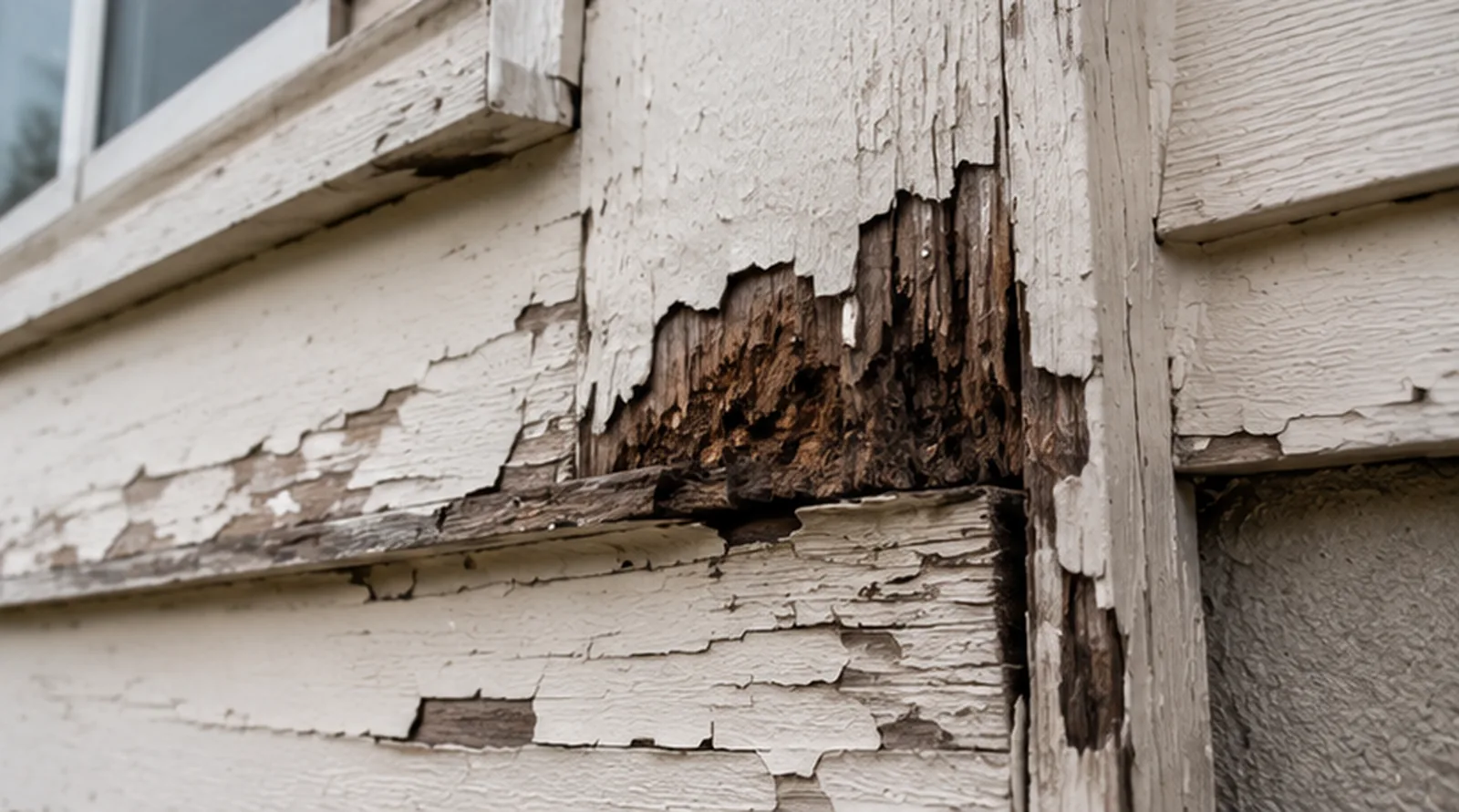
Radon deserves its own discussion because of how common it is across Hennepin County and the broader Minnesota region. Radon is a naturally occurring radioactive gas that seeps up from the soil and bedrock into homes through foundation cracks, sump openings, and slab penetrations. It is colorless and odorless, so the only way to know a home's level is to test, and Minnesota's geology means elevated readings are widespread regardless of a home's age, price, or neighborhood.
The Minnesota Department of Health recommends that all homes be tested for radon and that homes with elevated levels be mitigated. For a buyer, this means a radon test during the inspection period is one of the smartest small investments you can make. A short term test typically runs for a couple of days with windows and doors kept closed, and the result tells you whether the home is below the action level or whether mitigation should be part of your plan.
If a test comes back elevated, do not panic. Radon mitigation is a well established, reliable process: a contractor installs a vent pipe and fan system that draws the gas from beneath the slab and exhausts it safely above the roofline. Mitigation is a routine ask in a Minnesota negotiation, and a properly installed system reliably brings levels down. Knowing the radon status before closing lets you address it on your terms rather than discovering it later.
Inspection Versus Appraisal: Know the Difference
Buyers often confuse the home inspection with the appraisal, but they serve entirely different purposes and protect different parties. The inspection works for you, the buyer, evaluating the physical condition of the home so you understand what you are purchasing. The appraisal works for your lender, estimating the home's market value to confirm the property is worth what the bank is being asked to finance. One is about condition; the other is about value.
An appraiser does a far more limited look at the property than an inspector. They are confirming square footage, comparing the home to recent sales of similar properties, and noting obvious health and safety issues that could affect value or loan eligibility, but they are not crawling through the attic, testing the furnace, or scoping the sewer. Relying on the appraisal to tell you about the condition of the home is a common and costly mistake, because that is simply not its job.
You generally want both. The appraisal protects you from overpaying and is usually required by your lender, while the inspection protects you from buying a home with expensive hidden defects. Treat them as complementary safeguards. A home can appraise at full value and still have a failing furnace, an aging roof, and an elevated radon level, all of which only your independent inspection will reveal.
Buying an Older Bloomington Home: What to Watch
Much of Bloomington's housing stock dates to the post war and mid-century building boom, with many homes built in the 1950s through the 1970s and a median age that places the typical house around the late 1960s. These homes are often well built and sit on generous lots in established neighborhoods, but their age means certain systems and materials common to that era deserve special scrutiny during your inspection. Knowing what to look for helps you interpret the report and plan for the realities of older home ownership.
On the electrical side, watch for aluminum branch wiring used in some homes of the late 1960s and 1970s, which requires specific connection methods to be safe, and for problem electrical panels such as certain Federal Pacific (FPE) and Zinsco panels that have known reliability and safety concerns. On the plumbing side, galvanized steel supply lines corrode and restrict flow over decades, polybutylene (poly-B) piping has a history of failures, and cast iron drain lines can crack or scale shut with age. Each of these is a recognized concern your inspector should evaluate and call out.
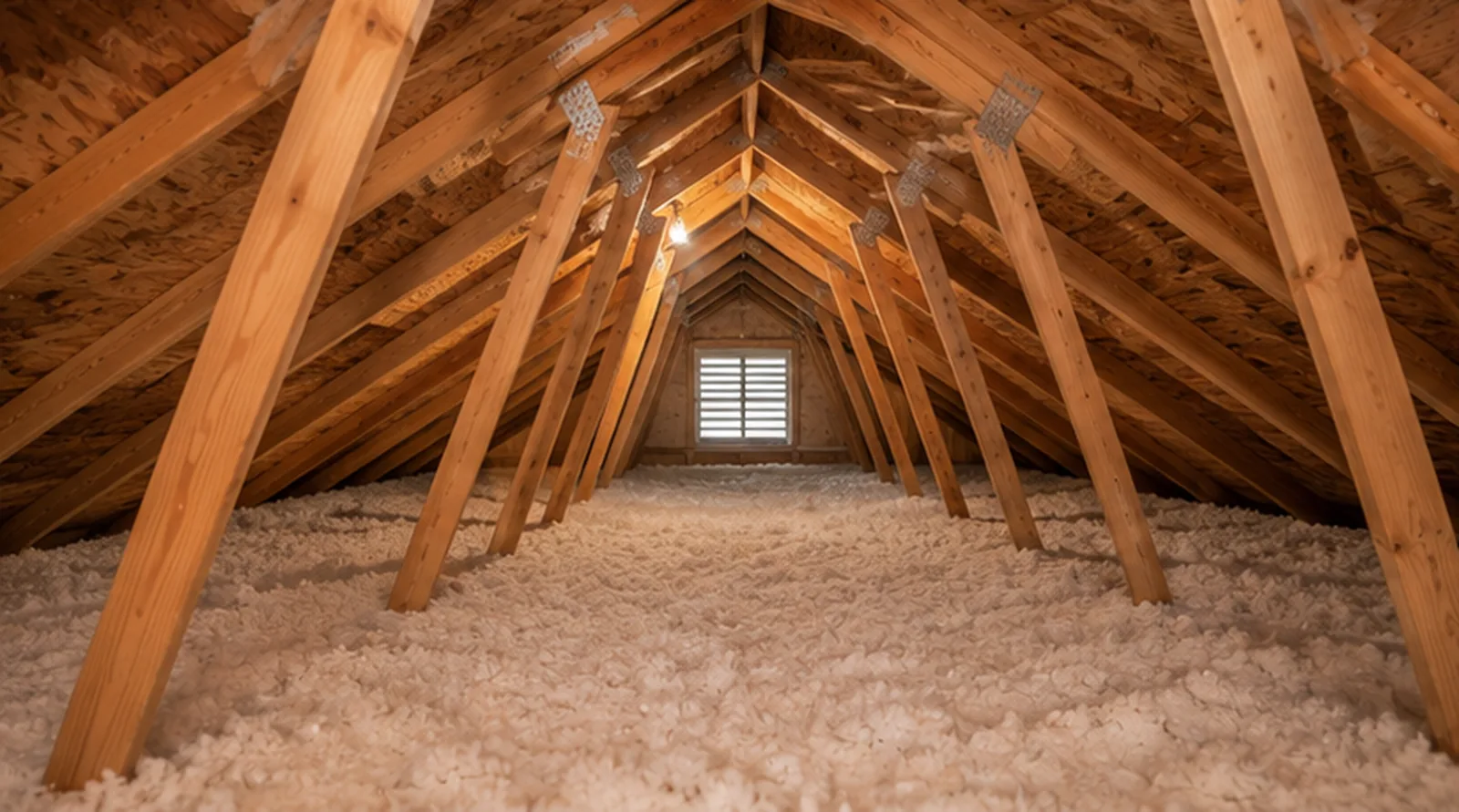
The building envelope and exterior carry their own mid-century concerns. Minnesota winters drive ice dam formation at the eaves when attic insulation and ventilation are inadequate, leading to water intrusion and rot over time. Older roofs, original windows, settling foundations, and aging sewer laterals all warrant attention. None of these issues necessarily means you should avoid an older Bloomington home, but understanding them lets you budget for upgrades, prioritize repairs, and negotiate with realistic expectations rather than being blindsided after closing.
Advice for New Construction Buyers
It is tempting to assume a brand new Bloomington home needs no inspection because everything is new and municipal inspectors signed off during construction. In practice, new homes benefit from an independent inspection just as much as resale homes. Municipal inspectors verify code compliance at specific stages, but they are not present for every hour of work, and busy build schedules leave room for missed connections, incomplete flashing, plumbing that was never properly tested, and HVAC that was never balanced.
Smart new construction buyers consider a pre drywall inspection, performed after framing, wiring, and plumbing rough ins are in place but before insulation and drywall cover everything up. This is your one chance to see the bones of the home and catch issues while they are still easy and cheap to correct. A final inspection before closing then verifies that finishes, fixtures, appliances, and systems are complete and functioning, and it produces a punch list for the builder to address.
Do not skip the inspection just because a builder warranty exists. Warranties have limits, exclusions, and claim processes, and it is far better to have problems documented and corrected before you close and move in. An independent inspector works for you alone, with no stake in keeping the project on schedule, which is exactly the perspective you want when you are about to take ownership of a major new investment.
First-Time Buyer Mistakes to Avoid
First-time buyers in a competitive market sometimes feel pressure to waive the inspection contingency to make their offer more attractive. This is the single most consequential mistake you can make, because it strips away your protection at the exact moment you have the least experience evaluating a home. If you feel you must be competitive on contingencies, talk with your agent about alternatives like a shorter inspection period or an information only inspection rather than giving up the protection entirely.
Other common missteps include not attending the inspection, reading only the summary instead of the full report, and fixating on cosmetic items while underweighting major systems. Many new buyers also forget that the inspection is a starting point: when the report recommends further evaluation by a specialist, that recommendation is meant to be acted on, not ignored. Skipping the follow up on a flagged electrical panel or possible foundation issue defeats the purpose of the inspection.
Finally, do not let excitement override the numbers. It is easy to fall in love with a home and rationalize away serious findings, but the inspection exists to keep your decision grounded. Lean on your inspector and agent to help you weigh the findings objectively, keep a realistic repair reserve for your first years of ownership, and remember that there will always be another house if this one carries risks you are not prepared to accept.
Closing With Confidence
By the time you reach the closing table, a thorough inspection should leave you feeling informed rather than anxious. You will know the condition of the roof, the age of the furnace and water heater, the status of the electrical and plumbing systems, the radon level, and any items that need attention soon or down the road. That knowledge transforms closing from a leap of faith into a deliberate, well understood decision.
Before closing, confirm that any agreed upon repairs were completed and documented, and consider a final walkthrough to verify the home's condition matches your expectations and that nothing new has gone wrong since the inspection. Keep your inspection report handy as a maintenance roadmap: it tells you which systems to watch, when to plan for replacements, and how to care for the home so it serves you well for years.
The inspection is ultimately about giving you control over one of the biggest decisions of your life. In Bloomington's market of established, often older homes, that control is especially valuable. Buyers who inspect thoroughly, read their reports carefully, test for radon, scope older sewer lines, and act on specialist recommendations close with their eyes open and step into ownership prepared for whatever their new home brings.