- What a Pre-Listing Inspection Actually Is
- How a Pre-Listing Inspection Prevents Deals From Falling Through
- Minnesota Seller Disclosure Obligations
- Preparing Your Home for the Inspection
- What a Buyer's Inspector Will Be Looking For
- The Most Common Findings in Bloomington Homes
- Electrical Systems: Aluminum Wiring and Problem Panels
- Plumbing: Galvanized, Poly-B, and Cast Iron
- Minnesota Moisture: Ice Dams, Attic Condensation, and Basements
- Radon: The Hennepin County Reality
- Repair, Disclose, or Price It In: Making the Call
- Staging Versus Real Repairs: Don't Confuse Them
- Timing the Inspection and Working With Your Agent
What a Pre-Listing Inspection Actually Is
A pre-listing inspection, sometimes called a seller's inspection, is a full evaluation of your home performed before you put it on the market, paid for by you rather than the buyer. The inspector examines the same systems a buyer's inspector would: roof, exterior, structure, attic, electrical, plumbing, heating, cooling, insulation, and the visible interior. The difference is timing. You receive the report first, which means you learn about defects on your schedule instead of discovering them mid-transaction when emotions and deadlines are already running high.
The purpose is not to produce a flawless house. No home, especially a Bloomington home built in the late 1960s, passes an inspection with zero findings. The purpose is information. When you understand the true condition of your roof, your electrical panel, and your basement, you can make calm, deliberate decisions about what to repair, what to disclose, and how to price. That clarity is the single biggest advantage a seller can hold going into negotiations.
A pre-listing inspection also signals confidence. Buyers and their agents notice when a seller volunteers a recent, independent report. It suggests the home has been cared for and that the seller has nothing to hide. In a market where buyers are wary of older housing stock, that transparency can shorten your days on market and reduce the back-and-forth that wears sellers down.
How a Pre-Listing Inspection Prevents Deals From Falling Through
Most real estate deals do not collapse over price. They collapse during the inspection contingency period, when a buyer's inspector finds something the seller never mentioned and the buyer suddenly feels misled. Fear, not the defect itself, kills the transaction. A cracked heat exchanger or an active basement leak discovered three days before closing turns a cooperative buyer into a nervous one who starts wondering what else is wrong.
When you inspect first, you remove the element of surprise. You either fix the issue, disclose it plainly, or price the home to reflect it. By the time a buyer's inspector confirms what you already disclosed, there is no shock and no leverage swing. The buyer expected it, the offer accounted for it, and the deal stays on track. Predictability is what keeps both sides at the table.
Pre-listing inspections also reduce the dreaded renegotiation. In a typical transaction, the buyer uses inspection findings to demand credits or repairs, often inflating the cost of fixes to extract concessions. When you have already documented condition and addressed major items, you cut off that second negotiation before it starts. You set the terms once, up front, on your own terms.
Finally, fewer surprises mean fewer failed closings, which protects you from the cascade of relisting, lost momentum, and the stigma a home acquires when it falls out of contract and returns to the market. In Bloomington's competitive segments, a home that comes back after a failed inspection often sells for less than it would have the first time.
Minnesota Seller Disclosure Obligations
Minnesota law requires sellers of residential property to disclose to prospective buyers all material facts of which the seller is aware that could adversely and significantly affect an ordinary buyer's use or enjoyment of the property, or any intended use the buyer has disclosed. This is a statewide obligation, and it applies to Bloomington and the rest of Hennepin County. The disclosure is typically delivered on a standard seller's disclosure form before an offer is accepted.
Material facts commonly include known roof leaks, foundation cracks, past water intrusion, sewer or septic issues, electrical problems, prior repairs, and anything you have firsthand knowledge of regarding the home's condition. The key word is knowledge. You are not expected to disclose defects you genuinely do not know about, but you cannot conceal or misrepresent what you do know. This is precisely why a pre-listing inspection cuts both ways: once you have a report, you are aware of its contents and must disclose accordingly.
Minnesota does allow a seller to waive the written disclosure in some circumstances by providing an inspection report or by mutual written agreement, but waiver does not erase liability for fraud or intentional misrepresentation. You can never lie or actively hide a problem, regardless of paperwork. Failing to disclose a known material defect can expose you to legal claims after closing, which is far more costly than honest disclosure ever would be.
Because disclosure law is specific and consequential, treat the seller's disclosure form as a legal document, not a formality. Work with your real estate agent and, when in doubt, a real estate attorney to make sure every known issue is captured accurately. Honesty documented in writing is your best protection against a post-sale dispute.
Preparing Your Home for the Inspection
Preparation does not mean hiding problems. It means giving the inspector clear, safe access so the inspection goes smoothly and the report reflects your home accurately rather than flagging items as inaccessible. Start with access. The inspector needs to reach the electrical panel, furnace, water heater, attic hatch, crawl spaces, and any cleanouts. Move stored boxes, totes, and furniture away from these areas. A blocked panel or a buried attic access often shows up in the report as a limitation, which can make buyers wonder what is being concealed.
Make sure every utility is on and functioning. Gas, electricity, and water must all be active so the inspector can test the furnace, run the appliances, check the water heater, and verify plumbing under pressure. If a utility is off, the inspector cannot evaluate those systems, and the buyer may demand a costly reinspection later. For vacant homes especially, confirm service is live before the appointment.
Handle the small, obvious items in advance. Replace burned-out light bulbs so the inspector does not log a dozen non-working fixtures that look worse on paper than they are. Install a fresh furnace filter, replace dead smoke and carbon monoxide detector batteries, and make sure GFCI outlets reset properly. These minor fixes prevent a report full of nuisance findings that, while small, accumulate into an impression of neglect.
Finally, clear the exterior. Trim back vegetation touching the siding or roof, clean the gutters, and make sure downspouts direct water away from the foundation. Ensure the inspector can walk the full perimeter and reach the roof access. A tidy, accessible exterior sets the tone for the entire inspection and reflects a home that has been maintained.
What a Buyer's Inspector Will Be Looking For
Understanding the buyer's inspector's mindset helps you anticipate findings. Inspectors prioritize safety, structure, and the major systems that are expensive to replace. They focus on the roof and its remaining life, the foundation and signs of movement or water intrusion, the electrical system and panel safety, the heating and cooling equipment, and the plumbing supply and drain lines. These are the big-ticket items that drive renegotiation, so they deserve your attention first.
Inspectors also document the small stuff: missing outlet covers, loose railings, cracked window seals, minor grading issues, and worn caulking. Individually these are trivial, but a long list of them shapes a buyer's perception. A report dense with minor defects can make a sound home feel tired and poorly maintained, even when the bones are solid. Clearing easy items before listing keeps the focus where it belongs.
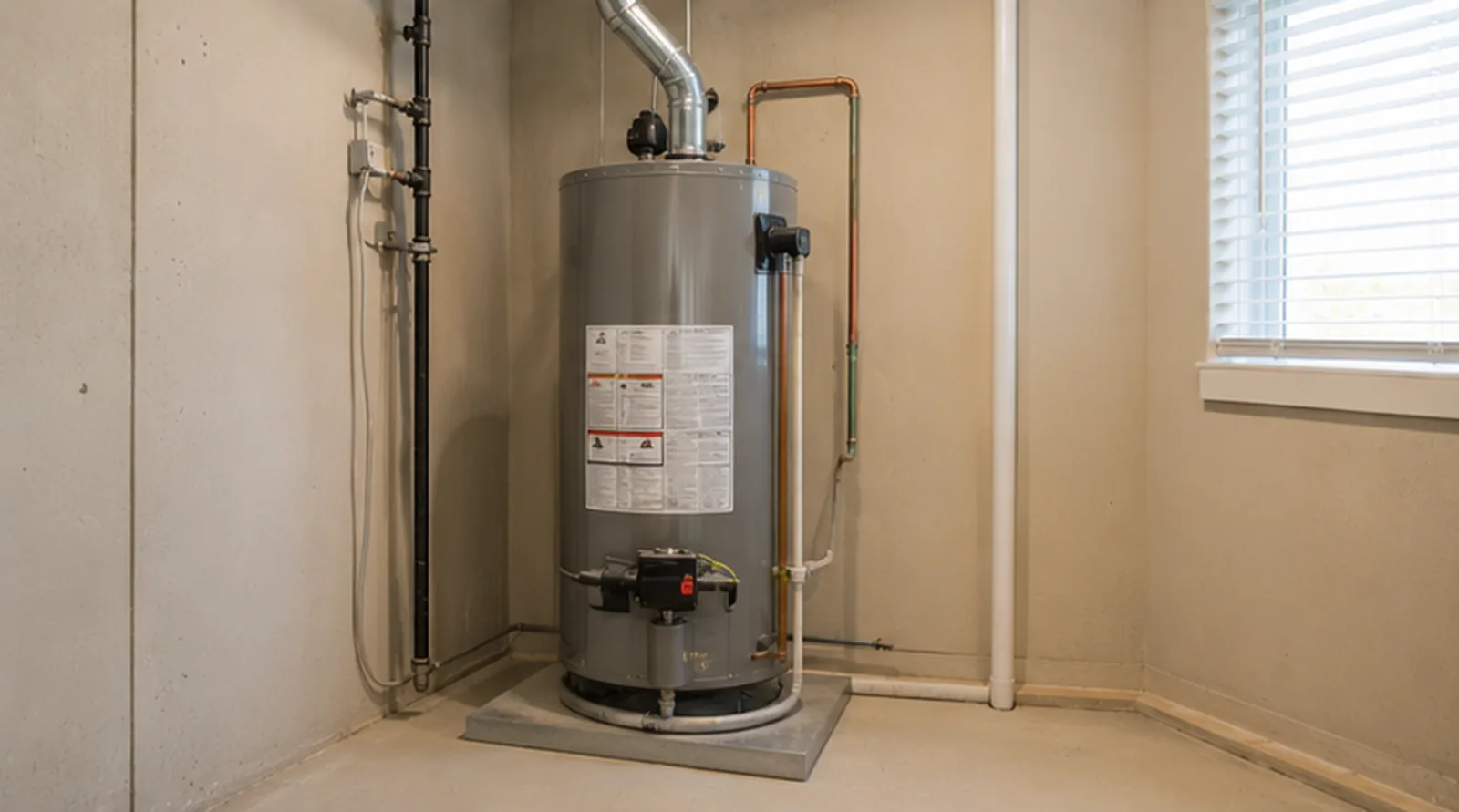
In Bloomington's older homes, inspectors pay particular attention to age-related systems. They look for outdated electrical panels, original plumbing nearing the end of its life, aging water heaters and furnaces, and evidence of past moisture problems in basements and attics. They are trained to read the clues a mid-century home leaves behind, and they will report what they find plainly. Knowing this lets you get ahead of the predictable findings rather than be blindsided by them.
The Most Common Findings in Bloomington Homes
Bloomington's housing stock skews toward homes built in the postwar decades, with a median age placing many around the late 1960s. That era and the years surrounding it left behind a recognizable set of issues that local inspectors encounter again and again. Knowing the usual suspects lets you investigate your own home before a buyer's inspector does and decide how to handle each one.
On the electrical side, aluminum branch wiring appears in homes wired during the mid-1960s to mid-1970s, and it requires proper connections to remain safe. Federal Pacific Electric (FPE) Stab-Lok panels and Zinsco panels are also found in homes of this vintage and have well-documented reliability concerns that frequently prompt buyer requests for evaluation or replacement. These are among the most consequential findings because they touch on safety.
Plumbing carries its own age markers. Galvanized steel supply pipes corrode and restrict flow over decades, polybutylene (poly-B) supply lines have a history of failure, and cast iron drain lines common in older Bloomington homes can crack, scale, or deteriorate below the slab. Inspectors check water pressure, drainage, and visible pipe material, and these systems often surface in reports for homes of this age.
The Minnesota climate adds its own signature. Ice dams form along eaves during freeze-thaw cycles and can damage roofing, gutters, and interior ceilings. Attic condensation from inadequate ventilation or air leakage leads to moisture, staining, and sometimes mold. Basement moisture and seepage are common given the region's soils, snowmelt, and seasonal saturation. And radon, a naturally occurring soil gas, is prevalent throughout Hennepin County, making testing a near-universal buyer request.
Electrical Systems: Aluminum Wiring and Problem Panels
Electrical findings are among the most likely to derail a Bloomington sale because they involve safety, and buyers, lenders, and insurers all take them seriously. If your home was wired in the mid-1960s through mid-1970s, there is a real chance some branch circuits use aluminum wiring. Aluminum expands and contracts differently than copper, and connections can loosen over time, creating heat at outlets and switches. The issue is usually manageable with proper remediation at the connections, but it must be addressed correctly by a qualified electrician.
Problem panels are the other recurring electrical concern. Federal Pacific Electric Stab-Lok panels and Zinsco panels were installed widely during the home-building boom and have since developed reputations for breakers that may not trip reliably under fault conditions. When a buyer's inspector identifies one of these panels, the buyer often requests replacement or evaluation, and some insurance carriers hesitate to write policies on homes that still have them. This makes the panel a frequent negotiation flashpoint.
As a seller, you have a choice. You can have a licensed electrician evaluate and, if warranted, replace the panel or remediate the wiring before listing, removing the issue from the negotiation entirely. Or you can disclose the condition, price accordingly, and let the buyer decide. Either path is legitimate, but doing nothing and hoping it goes unnoticed rarely works, because these items are exactly what trained inspectors are watching for in homes of this age.
Free Instant Quote
Know your inspection cost in less than 30 seconds. No obligation.
Plumbing: Galvanized, Poly-B, and Cast Iron
Plumbing problems in older Bloomington homes are usually about material and age rather than dramatic failure, though failures do happen. Galvanized steel supply piping, common in the oldest homes, corrodes from the inside out, gradually choking water flow and discoloring water. An inspector who sees weak pressure at the fixtures and identifies galvanized pipe will note that the supply system is nearing or past the end of its service life, which buyers read as a future expense.
Polybutylene supply lines, used in some homes from the late 1970s into the 1990s, are a particular red flag. Poly-B has a documented history of becoming brittle and failing at fittings, and many buyers and insurers want it replaced. If your home has poly-B, expect it to draw attention, and consider getting ahead of it. Cast iron drain and waste lines, standard in mid-century construction, can scale internally, crack, or corrode, and problems below the basement slab are especially costly to address because they are hidden.
Because plumbing runs through walls and under floors, much of it is not directly visible, and inspectors rely on observed performance and the portions they can see. As a seller, a pre-listing inspection or a targeted plumbing evaluation lets you understand what you actually have. If a sewer line is a concern, a camera scope of the main line provides concrete information you can disclose with confidence, turning an unknown into a documented fact that buyers can evaluate fairly.
Minnesota Moisture: Ice Dams, Attic Condensation, and Basements
Minnesota's winters put unique stress on a home, and the resulting moisture issues are some of the most common findings in Bloomington reports. Ice dams form when heat escaping into the attic melts snow on the roof, which then refreezes at the cold eaves, creating a ridge of ice that traps meltwater. That water can back up under shingles and leak into the structure. Inspectors look for staining at the eaves, damaged shingles, and interior ceiling marks that betray a history of ice damming.
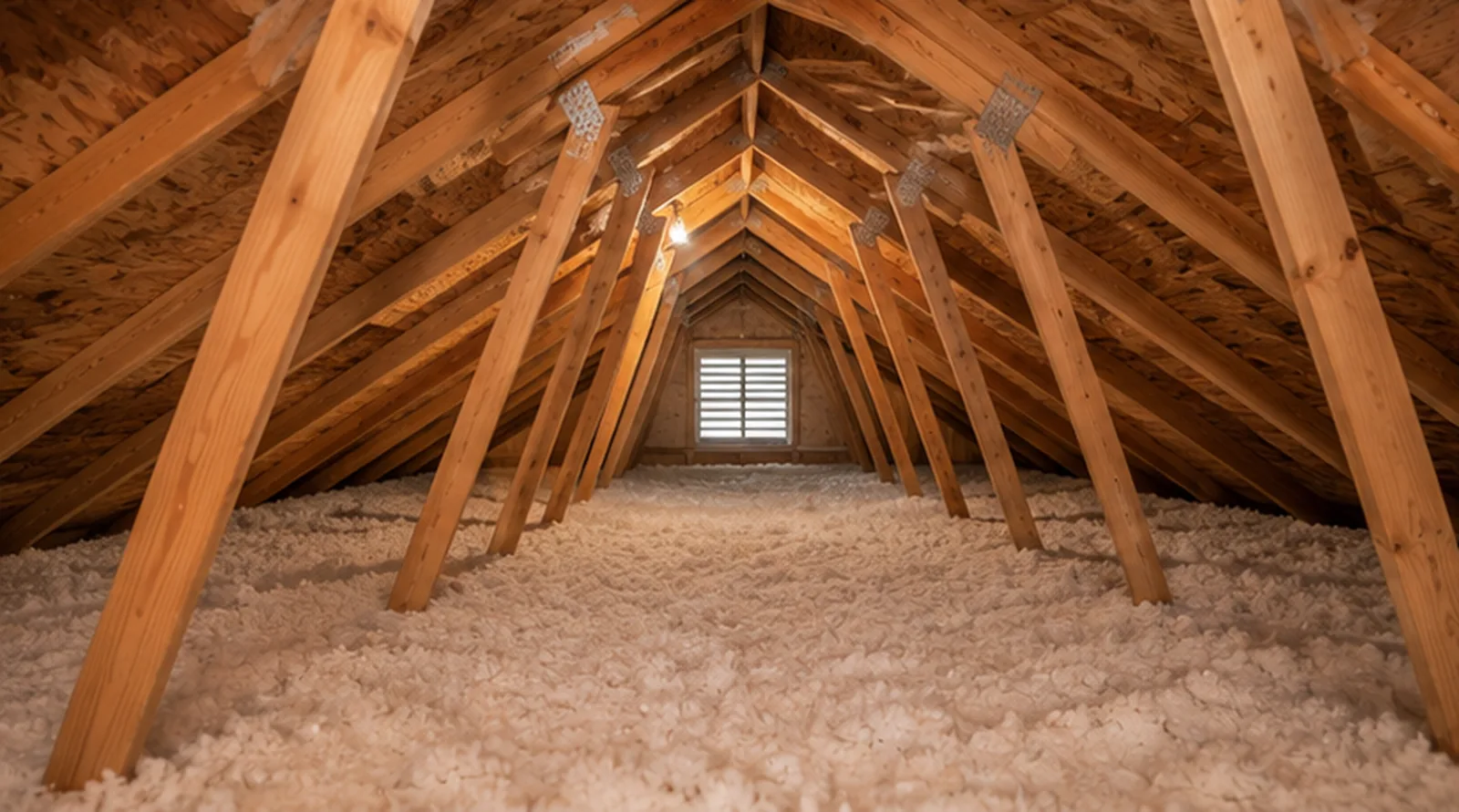
Attic condensation is closely related and often points to ventilation or air-sealing problems. When warm, moist indoor air leaks into a cold attic, it condenses on the underside of the roof deck, leading to frost in winter, drips in thaw, wood staining, and occasionally mold growth. Inspectors examine attic ventilation, insulation depth, and signs of past moisture. Improving attic air sealing and ventilation addresses both condensation and ice dams at their root, since both stem from heat and air escaping upward.
Basement moisture is nearly a given in a region with heavy snowmelt, clay-influenced soils, and seasonal groundwater. Inspectors look for efflorescence on foundation walls, water staining, active seepage, sump pump function, and grading that directs water toward the house. Many basement moisture issues trace back to exterior water management: poor grading, short downspouts, and clogged gutters. As a seller, correcting drainage and demonstrating a working sump system goes a long way toward reassuring buyers that water is controlled, not chronic.
Radon: The Hennepin County Reality
Radon deserves its own discussion because it is both common in the area and routinely tested during transactions. Radon is a colorless, odorless radioactive gas produced by the natural breakdown of uranium in soil. It seeps into homes through foundation cracks, sump openings, and slab penetrations, and it can accumulate to elevated levels indoors. Minnesota, including Hennepin County and Bloomington, has geology that produces elevated radon in a significant share of homes, which is why testing is so routine here.
Because the Minnesota Department of Health has emphasized radon awareness and the state requires that radon information be provided to buyers in residential transactions, you can expect the topic to come up. Many buyers include a radon test alongside the general home inspection. If the test shows elevated levels, the buyer will typically ask for mitigation, which involves installing a system that vents soil gas safely above the roofline.
As a seller, you have an opportunity to get ahead of this. Testing your home before listing tells you exactly where you stand. If levels are elevated, you can install a mitigation system proactively and market the home as already mitigated, which removes a negotiation item and reassures health-conscious buyers. If levels are low, you have documented proof to share. Either way, knowing your radon status before a buyer tests it keeps you in control of the conversation.
Repair, Disclose, or Price It In: Making the Call
Once your pre-listing report is in hand, every finding falls into one of three strategies: repair it, disclose it, or price it in. The art of selling well is knowing which approach fits each item. Safety and deal-breaking issues, like a problem electrical panel, an active leak, or a non-functioning furnace, generally belong in the repair column because buyers, lenders, and insurers react strongly to them and they invite aggressive renegotiation if left alone.
Cosmetic and minor maintenance items are often best disclosed and left as-is, especially if your home is priced to reflect its condition. Buyers expect an older home to show some wear, and over-improving small things rarely returns its cost. The danger is a long list of unaddressed minor items creating a cumulative impression of neglect, so handle the cheap, easy fixes and disclose the rest honestly.
Pricing it in works for larger items you choose not to repair, such as an aging roof or original plumbing nearing replacement. Rather than spend on a major project that may not match the buyer's preferences, you can adjust the asking price and disclose the condition, letting buyers factor the work into their own plans. This avoids paying for upgrades a buyer may want to do differently and keeps your cash in your pocket.
The decision always weighs cost, buyer perception, and negotiating leverage. Your agent's read on current Bloomington buyer expectations is invaluable here, because the right call depends partly on how competitive your segment is and what buyers in your price band are willing to overlook versus what makes them walk.
Staging Versus Real Repairs: Don't Confuse Them
Staging and repairs serve different purposes, and confusing the two is a common seller mistake. Staging is about presentation: decluttering, fresh paint, clean carpets, neutral decor, and curb appeal that helps buyers fall in love and submit strong offers. It influences the emotional, above-the-surface impression that drives offer price. Staging absolutely matters for getting buyers to the table, and it should not be neglected.
Repairs are about substance: the condition the inspector documents regardless of how the home looks. A beautifully staged living room does not change the fact that the panel is a Zinsco or the basement seeps in spring. Inspectors are trained to look past cosmetics, and buyers who fall in love during the showing become skeptical fast when the inspection reveals issues the staging glossed over. Pretty paint over a moisture stain reads as concealment, which damages trust far more than the stain itself would have.
The winning approach is to do both honestly and in the right order. Stage the home to maximize emotional appeal and attract strong offers, but never use staging to mask material defects you are obligated to disclose. Address the real condition issues through repair, disclosure, or pricing, and let staging do its legitimate job of presentation. When substance and presentation align, you get strong offers that survive the inspection.
Timing the Inspection and Working With Your Agent
Timing is everything with a pre-listing inspection. The right moment is before you finalize your list price and before the home goes live, ideally a few weeks ahead so you have time to act on the findings. If you inspect too late, you lose the ability to make repairs, gather contractor input, or test for radon before buyers are already touring. Build the inspection into your pre-listing timeline alongside cleaning, staging, and photography.
Sequence matters within that window. Get the inspection first, then decide on repairs, then obtain any contractor evaluations or quotes you need, and only then set your price and prepare disclosures. This order ensures your price reflects reality and your disclosure form is complete and accurate. Rushing the sequence, or skipping the inspection and reacting to the buyer's report instead, surrenders the control that makes pre-listing inspections worthwhile in the first place.
Your real estate agent is a critical partner throughout. A good Bloomington agent knows what local buyers expect, which findings tend to spook this market, and how to position your disclosures so they reassure rather than alarm. Share the full report with your agent and decide together which items to repair, which to disclose, and how to price. Their experience with how inspection findings play out in actual local negotiations turns your report from a list of problems into a deliberate selling strategy.
Finally, choose your inspector with care. Look for an experienced, independent inspector familiar with Bloomington's mid-century housing stock and Minnesota's climate-driven issues. A thorough, clearly written report that a buyer's inspector is unlikely to contradict is the foundation of the entire strategy, so the quality of that first inspection directly shapes how smoothly your sale proceeds.