- What a Home Inspection Is and Is Not
- What Is Included Versus Excluded
- How to Choose a Bloomington Home Inspector
- The Inspection Process Step by Step
- What to Expect on Inspection Day
- Bloomington's Housing Stock and What It Means for You
- Electrical Concerns in Older Bloomington Homes
- Plumbing Issues Common to the Area
- Roofs, Attics, and Minnesota Ice Dams
- Attic Condensation, Moisture, and Mold
- Basement Moisture and Foundations Near Nine Mile Creek
- Radon in Hennepin County Soils
- Reading and Using Your Inspection Report
- Negotiating Repairs After the Inspection
- Recommended Add-On Services
- Seasonal Minnesota Considerations
- New Construction Inspections
- Common Mistakes Bloomington Buyers Make
What a Home Inspection Is and Is Not
A home inspection is a non-invasive, visual examination of the readily accessible systems and components of a house. The inspector walks the property, operates normal controls, and documents the condition of the roof, exterior, structure, electrical, plumbing, heating, cooling, insulation, ventilation, and interior. The goal is to give you an informed snapshot of the home's condition on the day of the inspection so you can make a confident purchase decision. A good inspection translates a complicated building into plain language and helps you separate cosmetic issues from genuine concerns.
It is equally important to understand what an inspection is not. It is not a guarantee or warranty that nothing will break after closing, and it is not a code-compliance inspection that measures the home against current building codes. Most homes in Bloomington were built decades ago and legally predate today's codes, so an inspector reports on safety and function rather than perfect code adherence. The inspection is also not an appraisal, which estimates market value, nor a pass or fail test that produces a single verdict.
An inspection is non-invasive by design, which means the inspector does not open walls, dismantle equipment, or move heavy stored belongings. Anything hidden behind finished surfaces, buried underground, or blocked by the seller's possessions cannot be evaluated. Understanding these boundaries up front sets realistic expectations and helps you appreciate why certain specialized add-ons, such as a sewer scope or radon test, exist to look beyond what a standard visual inspection can reach.
What Is Included Versus Excluded
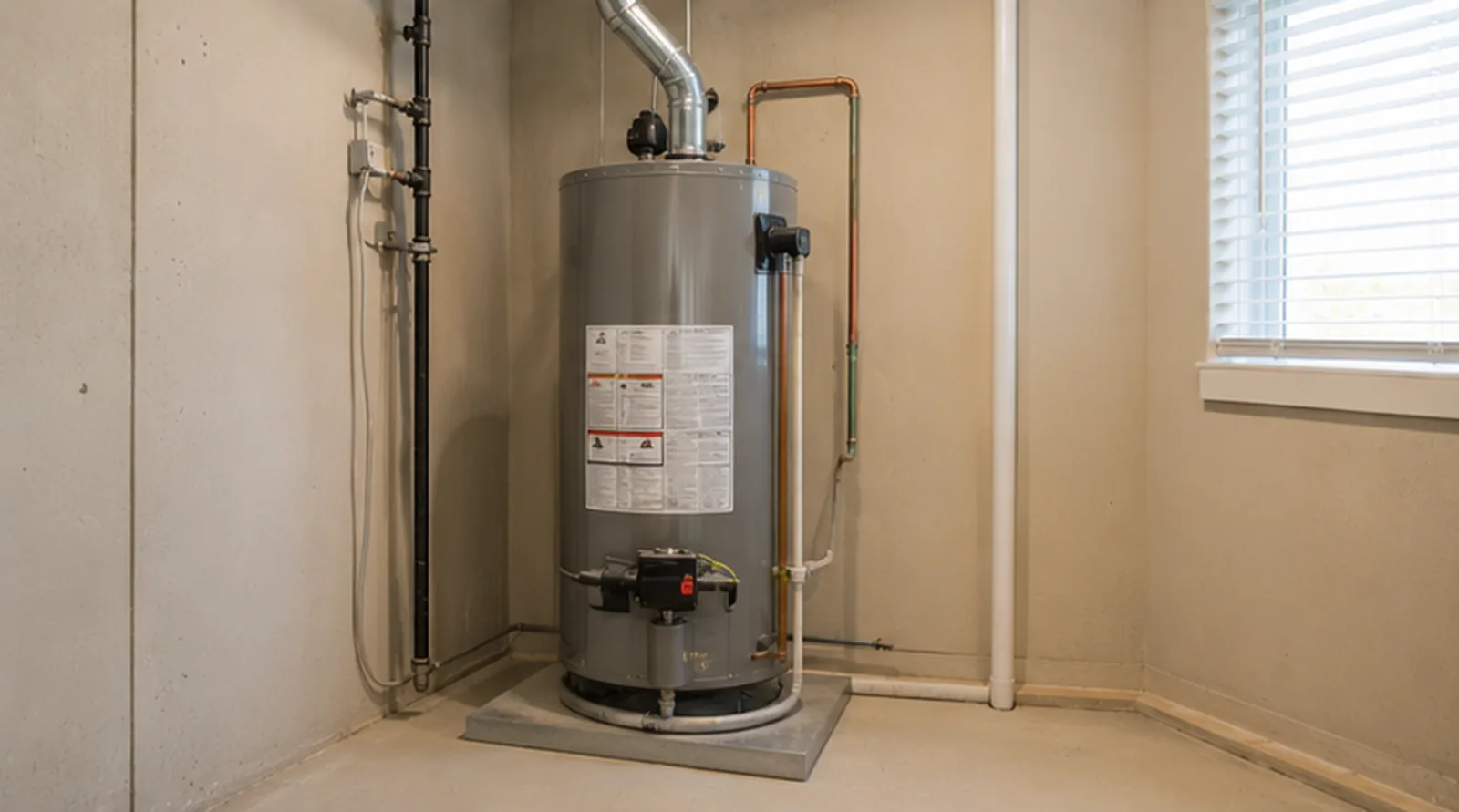
A standard home inspection following recognized standards of practice includes the home's primary systems. On the exterior, the inspector evaluates the roof covering, flashing, gutters, siding, trim, windows, grading, and drainage. Structurally, they assess the foundation, framing where visible, floors, walls, and ceilings. Mechanical systems include the electrical service and distribution, the plumbing supply and drainage, the furnace or boiler, the air conditioning, and the water heater. The inspector also reviews attic insulation and ventilation, and tests a representative sample of outlets, switches, and fixtures.
Several things fall outline a standard inspection unless you specifically arrange for them. Inspectors generally do not test for radon, mold, asbestos, lead, or other environmental hazards without a separate service. They do not scope underground sewer lines, evaluate private wells or septic systems in depth, or assess swimming pools and spas beyond a basic level unless qualified and contracted to do so. Low-voltage systems such as security alarms, intercoms, and landscape lighting are typically excluded.
The inspector also will not comment on items hidden from view or that would require dismantling. Wiring inside walls, the interior condition of pipes, the inside of a sealed heat exchanger, and anything beneath insulation or finished surfaces remain outside the scope. Cosmetic preferences, the remaining lifespan of components, and predictions about future performance are likewise excluded. Knowing these limits helps you decide which optional services, covered later in this guide, are worth adding for your particular Bloomington home.
How to Choose a Bloomington Home Inspector
Choosing the right inspector matters more than choosing the cheapest one. Look for an inspector who carries credentials from a recognized professional organization and who follows a published standard of practice and code of ethics. Minnesota does not impose statewide home inspector licensing the way some states do, which makes vetting your inspector even more important here. Ask how long they have been inspecting, how many inspections they perform, and whether home inspection is their full-time profession rather than a side activity.
Experience with the local housing stock is a real advantage. An inspector who regularly works in Bloomington and the surrounding Hennepin County suburbs will recognize the recurring issues in 1960s ramblers and split-levels, understand how our freeze-thaw climate stresses roofs and foundations, and know what attic condensation looks like after a Minnesota winter. Request a sample report so you can judge whether their writing is clear, well organized, and supported by photographs rather than vague checkbox language.
Finally, confirm practical details before you book. Ask whether you are welcome to attend, how long the inspection will take, how quickly you will receive the report, and which optional services they offer in house versus through partners. A trustworthy inspector encourages your questions, explains findings without pressure, and never offers to perform the repairs they recommend, which would create a conflict of interest. Clear communication before the inspection is usually a good predictor of a clear report afterward.
The Inspection Process Step by Step
A typical Bloomington home inspection follows a logical sequence that usually takes a few hours depending on the size and age of the house. The inspector generally starts outside, evaluating the roof either by walking it or from a ladder and the ground, then works around the exterior examining siding, windows, grading, and drainage. Moving inside, they assess the structure, run the heating and cooling systems, test plumbing fixtures, open electrical panels, and operate a sampling of outlets, switches, doors, and windows throughout the living space.
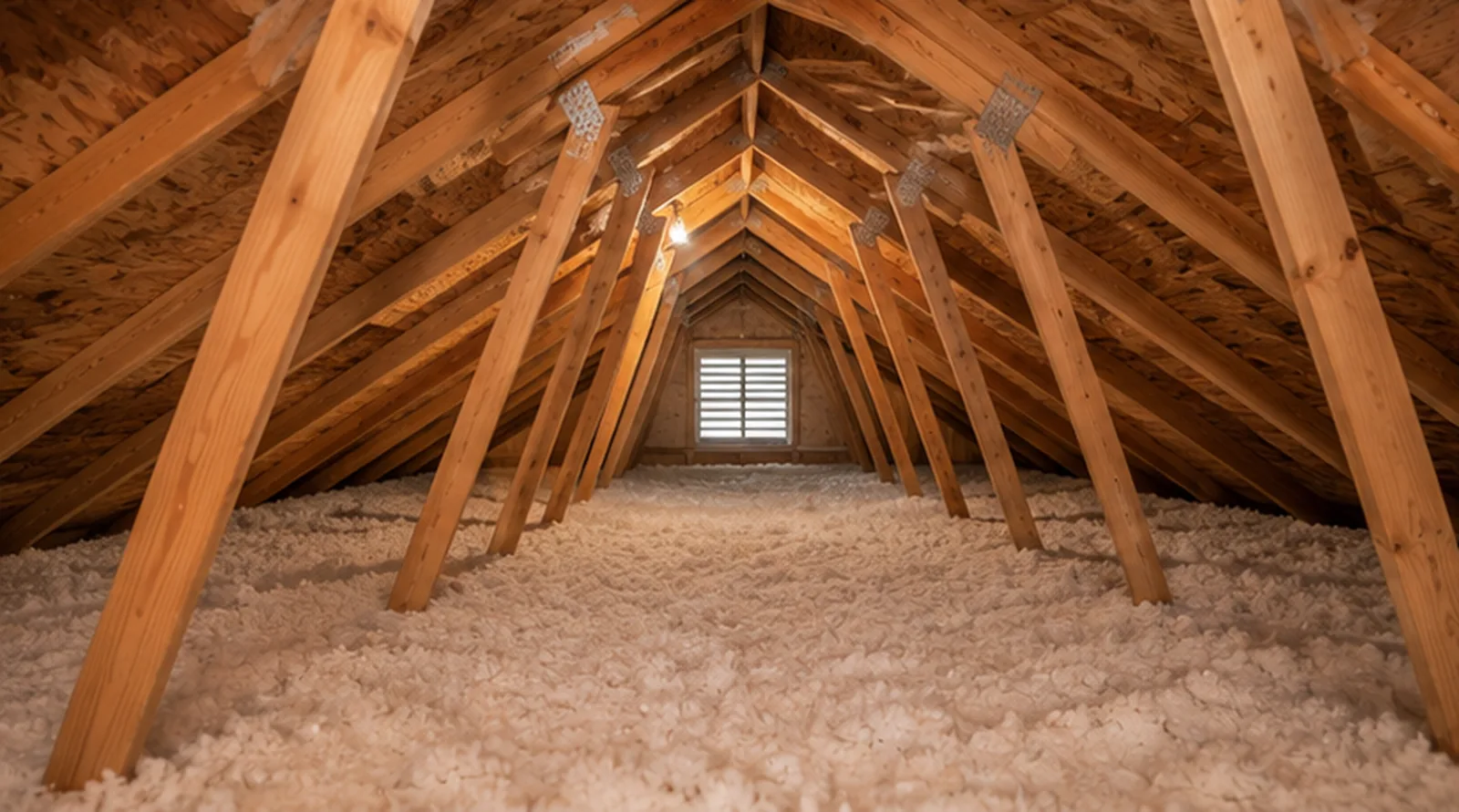
The attic and basement or crawlspace receive close attention because they reveal so much about a home's true condition. In the attic the inspector checks insulation depth, ventilation, and signs of moisture or past leaks, which is especially relevant in our climate. In the basement they look at the foundation walls, support framing, the furnace, water heater, electrical service, and any evidence of water intrusion. These unfinished areas often tell the real story behind a freshly painted, staged interior.
Throughout the process the inspector photographs findings and takes notes that will become your report. Many inspectors use thermal imaging cameras and moisture meters as supplementary tools to spot issues that are not visible to the naked eye. After completing the walkthrough, the inspector typically summarizes the most significant findings for you on site, then compiles everything into a written report delivered within a day or two, complete with descriptions, photos, and recommendations.
What to Expect on Inspection Day
Plan to attend at least part of your inspection if your schedule allows, because seeing issues in person is far more informative than reading about them later. Wear comfortable clothing and shoes, since you may follow the inspector into the basement, up to the attic access, and around the yard. The seller and listing agent are usually not present, which gives you the freedom to ask candid questions and to picture yourself living in the space without pressure.
Use the time productively by asking the inspector to show you where the main water shutoff, electrical panel, furnace filter, and gas meter are located, and to explain routine maintenance the home will need. These practical orientations are valuable even when nothing is wrong. Resist the urge to interrupt constantly during the technical portions, though, and instead save broader questions for the end-of-inspection summary when the inspector can walk you through findings in context.
Keep your expectations grounded. Every home, even brand new construction, will generate a list of findings, and a long report does not necessarily mean the house is a bad purchase. The inspector's job is to document everything they observe, not to talk you into or out of the home. Your job, with help from your real estate agent, is to weigh which findings are deal breakers, which are negotiable, and which are simply the normal maintenance that comes with homeownership.
Bloomington's Housing Stock and What It Means for You
Bloomington grew explosively during the postwar suburban boom, and the city's median home was built around 1968. That history shapes nearly every inspection here. You will encounter large neighborhoods of ramblers, split-levels, split-entries, and Cape Cods, many on slab or block foundations, along with pockets of mid-century construction that have aged in distinctly Minnesotan ways. Knowing the era of a home immediately tells an experienced inspector which systems and materials are likely to need scrutiny.
Homes of this vintage were well built for their time but were designed around the materials and standards of the 1950s through 1970s. That means original components such as electrical panels, branch wiring, supply plumbing, and drain lines may still be in service well past their intended lifespans. Many have been partially updated over the decades by various owners, creating a patchwork of old and new work that an inspector must sort through carefully to flag amateur or unpermitted modifications.
Bloomington sits within Hennepin County and shares the region's clay-heavy soils, harsh freeze-thaw cycles, and proximity to water features like Nine Mile Creek and the Minnesota River bluffs. These environmental factors influence foundation movement, basement moisture, radon potential, and exterior wear. The sections that follow break down the specific defects that recur in Bloomington homes so you know exactly what your inspector should be looking for and why each item matters for your safety and your wallet.
Electrical Concerns in Older Bloomington Homes
Electrical issues are among the most important findings in mid-century Bloomington homes because they carry real fire and shock risk. A recurring concern is aluminum branch wiring, which was used in many homes built in the mid-1960s through the 1970s. Aluminum expands, contracts, and oxidizes differently than copper, and at outlets and switches it can loosen over time and overheat. When an inspector finds aluminum branch circuits, the appropriate response is evaluation by a qualified electrician and proper remediation at connections, not panic.
Certain electrical panels also deserve special attention. Federal Pacific Electric panels with Stab-Lok breakers and Zinsco panels have well-documented histories of breakers that may fail to trip during an overcurrent, defeating the protection they are supposed to provide. When an inspector identifies one of these panels in a Bloomington home, replacement by a licensed electrician is commonly recommended regardless of whether the panel currently appears to function. This is one finding where the home's age makes the issue more likely.
Beyond panels and wiring type, inspectors frequently find the ordinary electrical hazards that accumulate over decades of do-it-yourself work. Common examples include missing ground-fault protection near water, ungrounded two-prong outlets, double-tapped breakers, open junction boxes, reversed polarity, and overloaded circuits. Individually these are often inexpensive corrections, but collectively they paint a picture of how carefully or carelessly a home has been maintained, which is useful context as you evaluate the property as a whole.
Plumbing Issues Common to the Area
Plumbing in older Bloomington homes spans several generations of materials, and each carries its own concerns. Galvanized steel supply pipes, common in the oldest homes, corrode from the inside out over time, gradually restricting water flow and discoloring water before they eventually leak. Because the corrosion is internal, a home can have weak water pressure long before any visible problem appears. When an inspector notes galvanized supply lines, reduced flow at fixtures is often the practical symptom to watch for.
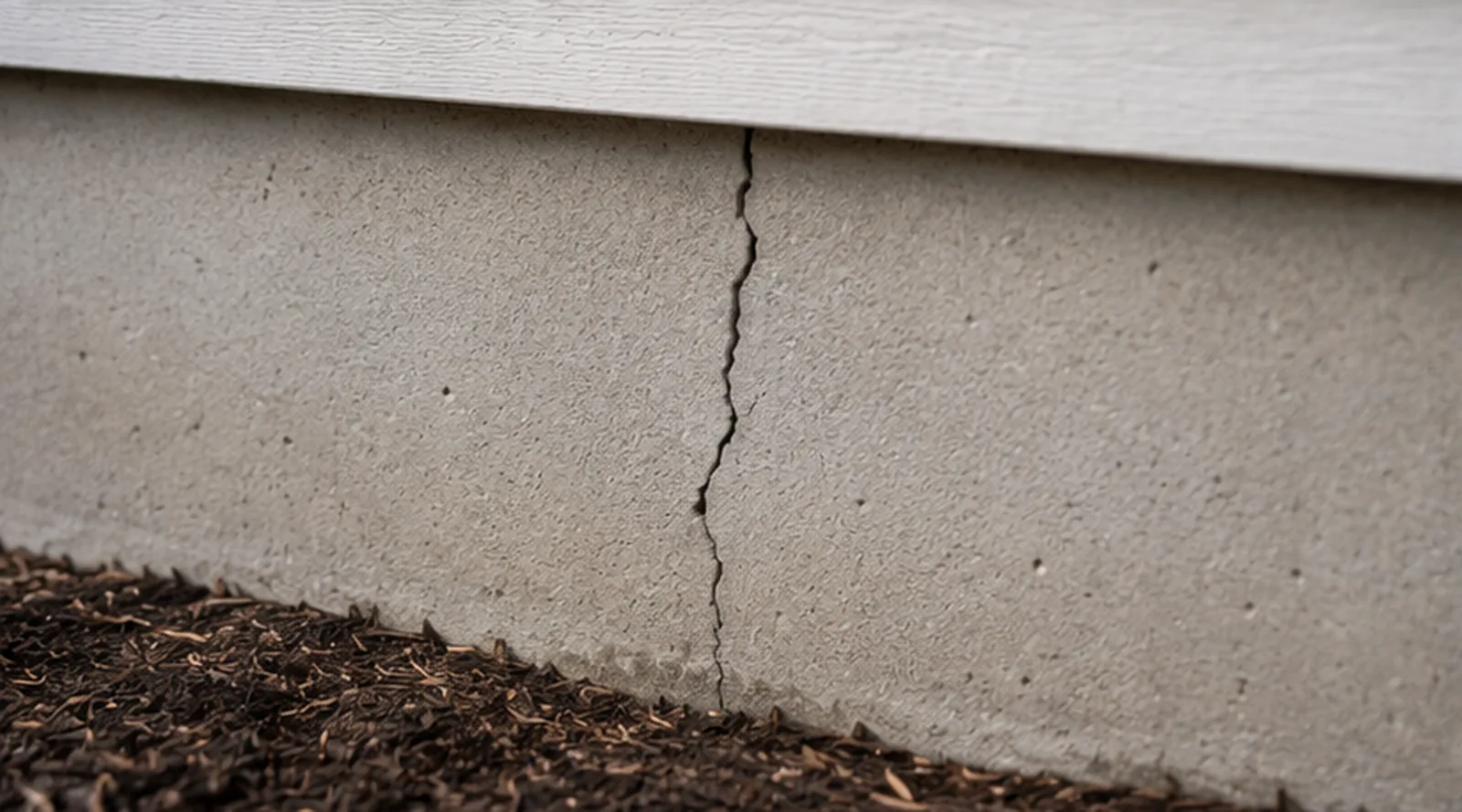
Polybutylene supply piping, a gray plastic plumbing used in some homes from the late 1970s into the 1990s, is another material inspectors flag. Polybutylene has a reputation for failing at fittings and developing leaks, and many insurers and buyers treat its presence as a meaningful concern worth budgeting to replace. On the drainage side, original cast-iron waste and vent stacks are common in Bloomington's mid-century homes. Cast iron corrodes and scales internally over many decades, and aging stacks can crack, leak, or restrict flow.
Drain, waste, and vent problems are particularly important because they are partly hidden. An inspector can observe accessible cast-iron piping in the basement and note corrosion or active leaks, but the underground portion of the main sewer line running to the city connection is beyond a visual inspection. That blind spot is exactly why a sewer scope, discussed in the add-ons section, is so valuable on older Bloomington properties where root intrusion and deteriorated pipe are realistic possibilities.
Roofs, Attics, and Minnesota Ice Dams
Minnesota winters are hard on roofs, and ice dams are one of the most consequential issues an inspector watches for in Bloomington. Ice dams form when heat escaping into the attic melts snow on the upper roof, which then refreezes at the cold eaves and creates a ridge of ice that backs water up under the shingles. The resulting leaks can damage roof sheathing, insulation, ceilings, and walls. Evidence of past ice damming, such as stained sheathing or interior water marks, is an important finding.
The root cause of ice dams is usually a combination of insufficient attic insulation, poor attic ventilation, and air leaks that let warm household air rise into the attic. For that reason a thorough inspector evaluates the attic carefully, measuring insulation depth, confirming that soffit and ridge ventilation are present and unobstructed, and looking for bypasses around lights, ducts, and the attic hatch. Correcting these underlying issues is often more effective and lasting than simply addressing the roof surface itself.
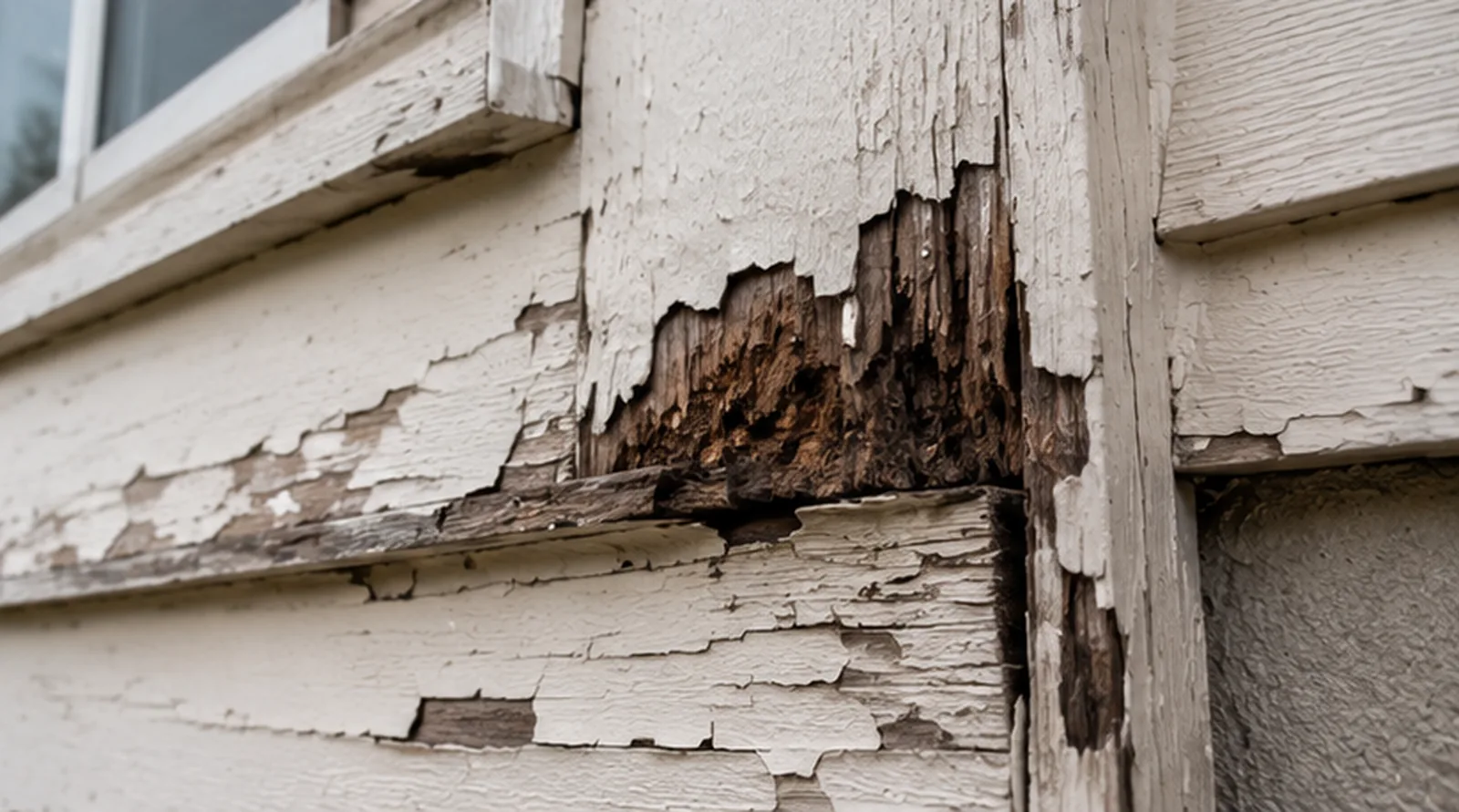
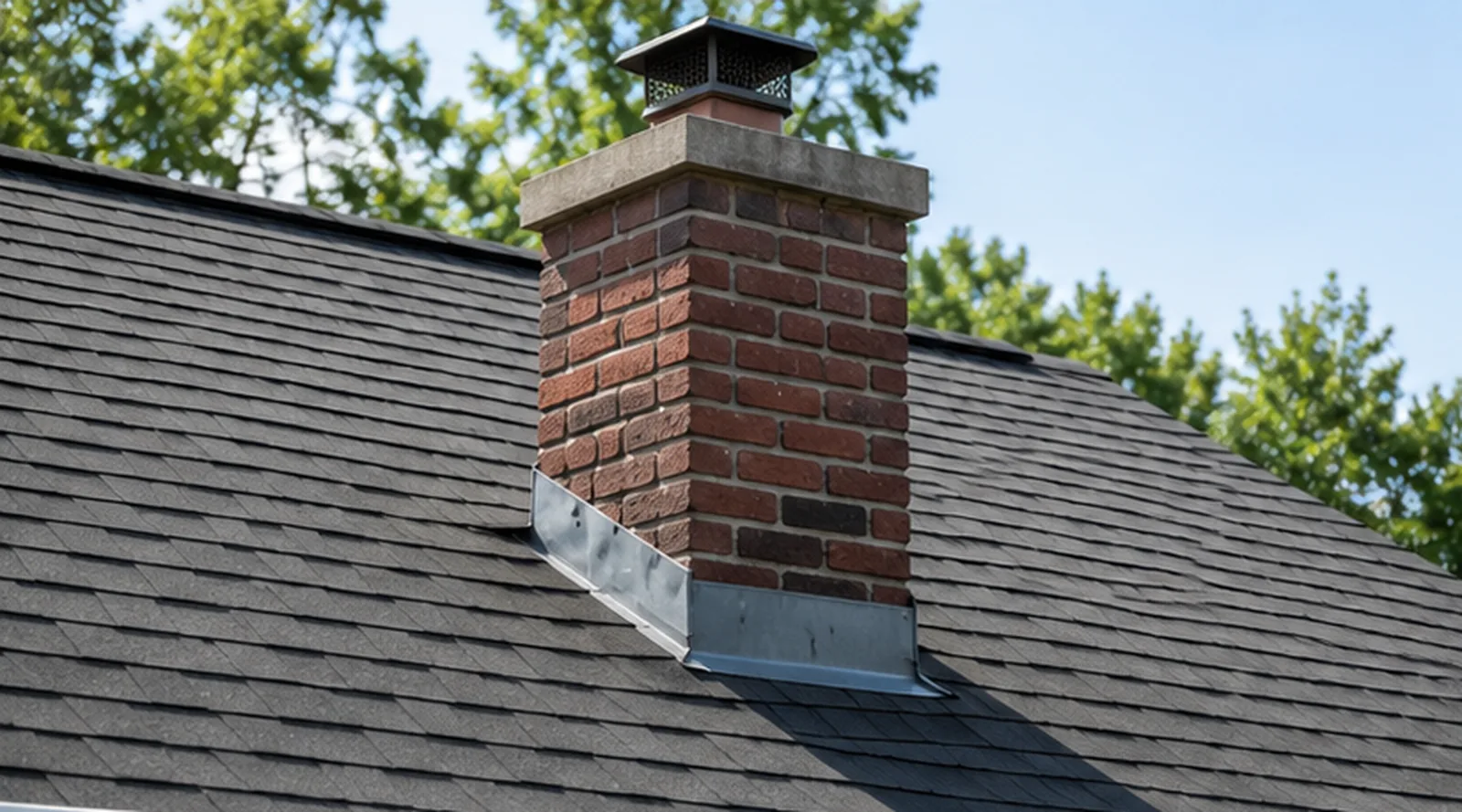
The roof covering itself also gets a close look. Inspectors assess the age and condition of the shingles, the integrity of flashing at valleys, chimneys, and penetrations, and the condition of gutters and downspouts that must carry meltwater away from the foundation. Many Bloomington homes have had roofs replaced at least once, sometimes layered over old material, and the inspector will note the apparent remaining service life and any signs of leaks, hail damage, or improper installation that warrant attention.
Attic Condensation, Moisture, and Mold
Attic condensation is a distinctly cold-climate problem that shows up regularly in Bloomington inspections. During winter, warm moist air from the living space leaks upward into a cold attic, where it condenses on the underside of the roof sheathing and on nails, sometimes forming frost that melts and drips when temperatures rise. Over time this moisture can stain and degrade the sheathing, mat down insulation, and create conditions where mold can grow. Inspectors look for these telltale stains and dark growth on the underside of the roof.
The fix for attic moisture mirrors the fix for ice dams, because they share the same causes. Sealing air leaks between the living space and the attic, ensuring bathroom and kitchen exhaust fans vent fully to the exterior rather than into the attic, and providing balanced intake and exhaust ventilation all help keep the attic cold and dry. When an inspector reports attic condensation, the recommendation usually focuses on these air-sealing and ventilation corrections rather than on the visible symptoms alone.
Mold itself is worth addressing calmly and factually. A standard inspection notes visible suspected microbial growth and conditions that promote moisture, but it does not identify mold species or measure spore counts, which requires separate laboratory testing. If significant growth is observed in an attic, basement, or bathroom, a specialized mold assessment can clarify the scope and guide remediation. The most durable solution almost always involves eliminating the moisture source, not merely cleaning the surface.
Free Instant Quote
Know your inspection cost in less than 30 seconds. No obligation.
Basement Moisture and Foundations Near Nine Mile Creek
Water in the basement is one of the most common and most worrying findings for Bloomington buyers, and the city's geography plays a direct role. Homes near Nine Mile Creek, low-lying areas, and properties with high seasonal water tables are more prone to moisture intrusion. Inspectors look for efflorescence, the white mineral residue left when water passes through masonry, along with staining, rust at the base of metal, musty odors, and evidence of past or active seepage at the foundation walls and floor.
Most basement moisture in our area is a drainage and grading problem rather than a structural one. Soil that slopes toward the house, short or disconnected downspouts, clogged gutters, and window wells without proper drainage all funnel water against the foundation. An inspector evaluates these exterior conditions because correcting grading and managing roof runoff is frequently the most effective first step. They will also note the condition of any sump pump and drain tile system, which many Bloomington basements rely on to stay dry.
Structural assessment of the foundation is equally important in homes of this age. Inspectors examine block and poured foundation walls for cracks, bowing, horizontal displacement, and step cracking that can indicate soil movement in our clay-rich, freeze-thaw soils. Most cracks are minor and typical of settlement, but certain patterns suggest ongoing movement that warrants evaluation by a structural engineer. Distinguishing routine settlement from genuine structural concern is one of the most valuable judgments an experienced local inspector provides.
Radon in Hennepin County Soils
Radon deserves its own discussion because Hennepin County, including Bloomington, sits in an area where elevated indoor radon levels are common. Radon is a naturally occurring radioactive gas produced by the breakdown of uranium in soil and rock. It is colorless, odorless, and tasteless, and it enters homes through cracks, sump openings, and other pathways in the foundation. Because it accumulates in lower levels, finished and unfinished basements, where many Minnesotans spend significant time, are the primary concern.
The Minnesota Department of Health reports that a large share of homes tested in the state have radon levels above the action threshold, and Hennepin County's geology puts Bloomington squarely in that elevated category. The only way to know a specific home's level is to test it, since levels vary house to house and even season to season. Radon testing is not part of a standard visual inspection but is one of the most commonly added services, typically performed with a continuous monitor over a set period during the inspection contingency.
The encouraging news is that radon is manageable. When a test comes back above the action level, a radon mitigation system, usually a sub-slab depressurization setup that vents soil gas safely above the roofline, reliably reduces levels. Many newer Bloomington homes already include passive radon-resistant features that can be activated if needed. For buyers, the practical takeaway is simple, test during the inspection period so you have the information to request mitigation or negotiate before closing.
Reading and Using Your Inspection Report
Your inspection report is the deliverable that turns a few hours of observation into a lasting resource. A quality report is organized by system, written in plain language, and richly illustrated with photographs that show exactly what the inspector saw and where. Most reports begin with a summary of the most significant findings, then provide detailed sections covering the roof, exterior, structure, electrical, plumbing, heating, cooling, insulation, and interior. Read the entire report, not just the summary, because important context often lives in the detailed sections.
Learn how your inspector categorizes findings, since terminology varies. Reports commonly distinguish safety hazards, major defects, items needing repair or further evaluation, and routine maintenance or monitoring items. A cracked heat exchanger or a Federal Pacific panel is a different class of concern than a dripping faucet or a missing outlet cover. Sorting findings by severity helps you focus your attention and your negotiations on what genuinely matters rather than getting overwhelmed by the sheer number of entries.
Treat the report as both a negotiating tool and a long-term homeownership manual. In the short term it informs your repair requests and your decision to proceed. After closing it becomes a maintenance roadmap, telling you which components are aging, what upkeep the home needs, and what to budget for over the coming years. Keep it accessible, revisit it after you move in, and use it to plan improvements in a sensible order rather than reacting only when something fails.
Negotiating Repairs After the Inspection
The inspection report gives you leverage, but how you use it determines the outcome. Work closely with your real estate agent to decide which findings to raise with the seller. Generally, buyers focus negotiations on safety hazards, major system defects, and active problems like leaks rather than cosmetic items or normal wear. Asking the seller to fix every minor entry tends to strain negotiations, while a focused request centered on significant issues is more likely to be taken seriously and resolved.
You typically have several options for addressing accepted findings. The seller may agree to complete repairs before closing, provide a credit so you can manage the work yourself afterward, or adjust the purchase price. Many buyers prefer a credit or price reduction for non-urgent items, because it lets them choose their own contractors and verify the quality of the work rather than relying on rushed, lowest-bid repairs arranged by a seller who is leaving. For safety items, completed and documented repairs before closing are often preferable.
Keep the market and your contingency timeline in mind. Your purchase agreement defines the inspection contingency period, and you must act within it to request repairs or withdraw. In a competitive situation a reasonable, prioritized request preserves goodwill and keeps the deal together, while an exhaustive demand can jeopardize it. Remember too that you can walk away if the inspection reveals problems beyond your comfort level, which is precisely the protection the inspection contingency is designed to provide.
Recommended Add-On Services
Several specialized services extend a standard inspection in ways that make particular sense for Bloomington homes. Radon testing tops the list given Hennepin County's elevated radon potential, and it is the single add-on most local buyers should strongly consider. A sewer scope is the next most valuable, especially on older homes, because it sends a camera down the main sewer line to reveal root intrusion, cracks, bellies, and deterioration in the one major component a visual inspection cannot otherwise reach.
Thermal imaging is increasingly common and helps the inspector detect hidden moisture, missing insulation, and certain electrical hot spots by reading surface temperature differences. Many Bloomington inspectors include thermal scanning as a standard part of their service, but it is worth confirming. Mold assessment with laboratory sampling makes sense when visible growth or a persistent musty odor raises questions that a visual inspection alone cannot resolve, particularly in basements and attics where our climate creates moisture problems.
Other situational add-ons round out the list. Water testing matters if the property uses a private well, and a deeper evaluation of a septic system is essential where one is present, though most Bloomington homes are on city services. Buyers of homes with older mechanical systems sometimes add a more detailed evaluation of the furnace heat exchanger. Discuss your specific property with your inspector ahead of time so you can bundle the right services into one visit and use your contingency period efficiently.
Seasonal Minnesota Considerations
Minnesota's dramatic seasons affect both what an inspector can evaluate and what you should watch for. Winter inspections come with real limitations. Snow on the roof can hide shingle condition and prevent a full roof walk, frozen ground and ice obscure grading and drainage, and exterior faucets and air conditioning systems usually cannot be tested safely when temperatures are below operating thresholds. A good inspector clearly notes these weather limitations in the report and recommends follow-up where conditions prevented a complete evaluation.
Winter does offer some unique advantages, though. It is the ideal time to observe ice dams forming, to spot attic condensation and frost while it is actively occurring, and to confirm the heating system performs under genuine cold-weather demand. Conversely, summer inspections allow proper air conditioning testing and a clear look at the roof and grounds, but they cannot reveal the cold-weather behavior of the attic and roof. Each season shows a different face of the same house.
Spring brings its own signals, particularly around water. The snowmelt and heavy spring rains that follow a Minnesota winter are when basement moisture and drainage problems most readily reveal themselves, so signs of seepage are easier to catch. Whatever the season, the practical advice is the same, understand which items the weather may have limited during your inspection, and plan to verify those specific components once conditions allow, ideally before your contingency period ends.
New Construction Inspections
Buyers of newly built Bloomington homes sometimes assume an inspection is unnecessary, but new construction benefits from independent inspection just as much as older homes. Builders work quickly, multiple subcontractors touch each house, and municipal inspectors focus on code compliance rather than the careful quality review a private inspector provides. New homes routinely reveal missing insulation, improperly connected ducts, plumbing and electrical defects, drainage and grading issues, and unfinished or overlooked items that are far easier to correct before you take ownership.
There are two especially valuable moments to inspect new construction. A pre-drywall inspection, performed after framing, wiring, and plumbing are in place but before insulation and drywall cover everything, lets the inspector see structural and mechanical work that will soon be permanently hidden. A final inspection before closing then catches finish-stage defects and confirms that systems function. Together these checkpoints catch problems while the builder is still responsible and the fixes are simplest.
Most new homes come with a builder warranty, which makes an end-of-warranty inspection another smart milestone. Scheduling an inspection before that warranty expires lets you document defects that have emerged during the first year of living in the home, from settlement cracks to mechanical issues, while the builder is still obligated to address them. In all of these cases the independent inspector works for you, providing an objective second set of eyes that the builder's own process does not.
Common Mistakes Bloomington Buyers Make
The most damaging mistake is skipping the inspection altogether to make an offer more competitive. In hot markets buyers are sometimes tempted to waive the inspection contingency, but doing so means accepting unknown and potentially serious defects with no recourse. A reasonable middle path, when the market demands speed, is an information-only or pre-offer inspection that gives you knowledge without necessarily tying it to a long contingency, so you at least understand what you are committing to before you sign.
Another frequent error is misreading the report. Buyers sometimes panic at the length of a thorough report or, conversely, focus only on the summary and miss important details. They may fixate on minor cosmetic items while overlooking a flagged electrical panel or moisture problem. The remedy is to read the full report, ask your inspector to clarify anything unclear, and prioritize findings by genuine severity rather than by how alarming they sound or how many photos accompany them.
Buyers also commonly skip locally relevant add-ons, especially radon testing and sewer scopes, and then regret it after closing when a hidden problem surfaces. Others choose an inspector solely on price, attend none of the inspection, or fail to act within their contingency window. Avoiding these mistakes comes down to a few habits, hire a qualified local inspector, attend if you can, add the services that fit your specific property, read everything, and respect your timeline so the protections in your contract actually protect you.